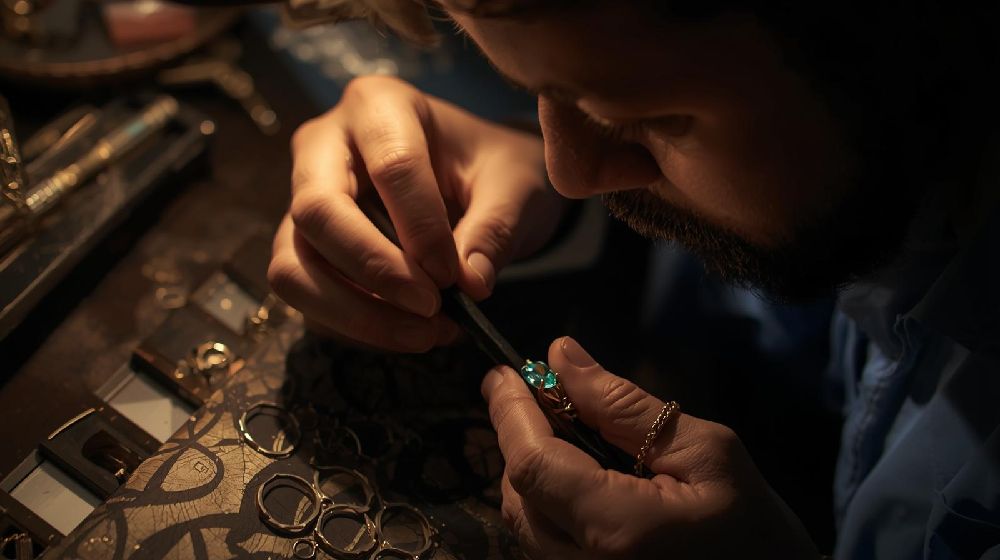

In modern jewelry manufacturing, perfection is no longer judged only by design—it is defined by precision, strength, and invisibility of craftsmanship.

In modern jewelry manufacturing, perfection is no longer judged only by design—it is defined by precision, strength, and invisibility of craftsmanship.

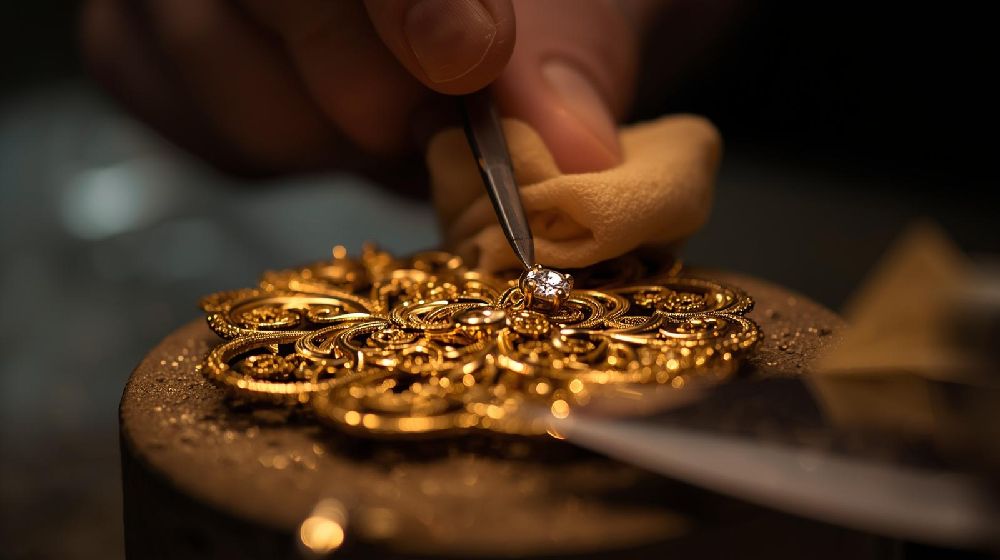
Behind every flawless gold ornament lies a world invisible to the naked eye. Jewelry perfection is not achieved in grand gestures but in microscopic processes—where precision, patience, and technology work together to transform raw metal into radiant luxury.

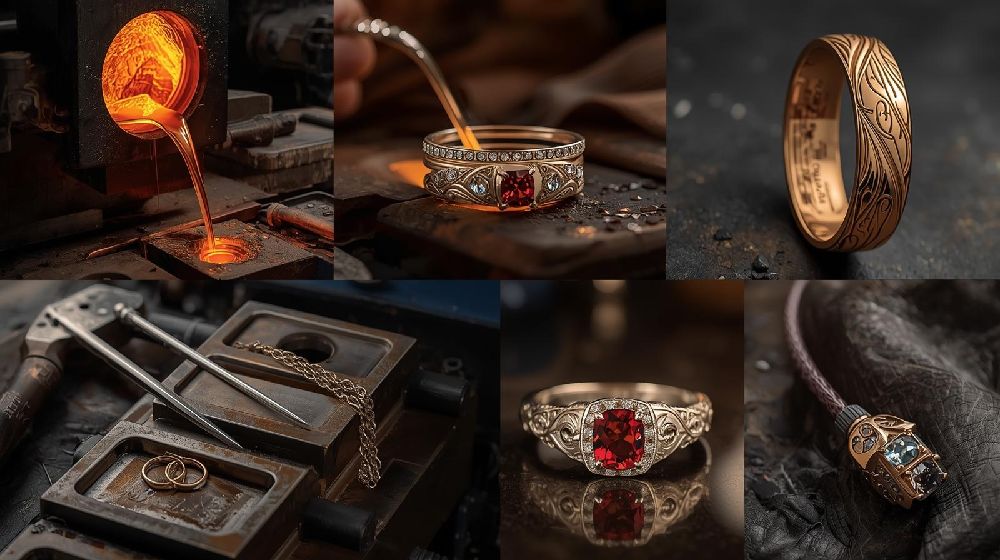
Behind every beautifully finished gold jewelry piece lies a complex and highly controlled manufacturing process. From raw gold to showroom-ready designs, a modern jewelry factory blends technology, craftsmanship, and precision quality control. This blog takes you inside a jewelry factory to explore each stage of the full production line.

Gold jewelry is admired for its shine, elegance, and intricate designs—but achieving flawless pieces goes far beyond artistry. Behind every exquisite bangle, ring, or necklace lies a critical factor: casting quality. For Vishal Choksi and the ORO-Z team, precision casting is not just a process—it’s the foundation of luxury, durability, and customer satisfaction.

The world of jewelry is evolving faster than ever, and at the heart of this transformation lies one powerful force: innovative alloys. As consumers demand durability, lightweight wear, hypoallergenic options, and unique aesthetics, jewelry makers are pushing the boundaries of what metal can do.

Polishing is one of the final and most essential stages of jewelry making. No matter how beautifully a piece is designed or how precisely it is crafted, its final look depends on the finish. Modern jewelry polishing techniques have evolved significantly—from high-shine mirror gloss finishes to subtle matte textures—allowing brands to create diverse looks for every style and preference.
In this blog, we’ll explore the different polishing methods used today, how they are achieved, and what makes each finish unique in modern jewelry.
Polishing is more than just making jewelry shine. It plays a major role in:
Enhancing the visual appeal
Improving wearability and comfort
Increasing the perceived value
Protecting metal surfaces from scratches
Highlighting design details like engravings and edges
Polishing transforms raw metal into a refined, luxurious piece ready for wear.
The mirror gloss or high-polish finish is the most popular finishing technique. It creates a smooth, reflective surface that shines brightly, similar to a mirror.
Multiple rounds of sanding and buffing
Use of high-speed polishing wheels
Application of polishing compounds such as rouge
Final buffing using soft cloth wheels
Engagement rings
Wedding bands
Gold bangles
Chains and pendants
High-end luxury pieces
Gives jewelry a premium, luxurious appeal
Reflects light beautifully
Enhances gemstone brilliance
However, mirror gloss finishes can show scratches more easily, so they require a bit more care.
The matte finish gives jewelry a smooth, non-reflective appearance. It’s soft, contemporary, and often used for minimalistic designs.
Fine abrasive papers
Sandblasting machines
Soft brushing tools
Surface texturing pads
Men's rings
Modern designer bangles
Minimalistic pendants
Trendy fashion jewelry
Hides scratches better than high polish
Gives a clean, sophisticated look
Perfect for daily wear
Brushed finish is a stylish matte variation where fine, straight lines are intentionally created on the metal surface.
Bristle brushes or nylon wheels
Abrasive pads brushed in one direction
Steel brushes for deeper texture
Controlled hand movement for consistency
Wedding bands
Designer men’s jewelry
Modern gold bangles
Luxury watches
Adds a textural, handcrafted effect
Offers a premium contemporary appeal
Camouflages everyday wear and tear
The lines—horizontal, vertical, or circular—give each jewelry piece a unique identity.
A satin finish gives jewelry a soft sheen—not fully reflective like mirror polish but not fully matte either. It sits perfectly between the two.
Using extra-fine abrasive wheels
Light brushing
Satin finishing pads
Soft directional strokes
Statement rings
Designer bracelets
Modern gold earrings
Luxury silver jewelry
Smooth to touch
Elegant, balanced look
Works well with diamonds and gemstones
Though not a “polish” in the traditional sense, the hammered finish is often used to create texture before the final polish.
Small hammers strike the metal surface
Creates uneven but artistic dimples
Final polish or matte layer applied on top
Boho and artisan aesthetic
Unique pattern—no two pieces look alike
Complements oxidized or matte finishes
Modern jewelry also features various texture-based finishes:
Achieved using diamond burs or sandblasting
Looks icy and crystalline
Thin lines scratched randomly to create texture
Used in artistic or rustic jewelry
Fine grains blasted onto the metal
Creates a velvety matte surface
Contemporary jewelry trends often mix two or more finishes for dramatic contrast.
Mirror Gloss + Matte (most popular)
Brushed + Satin
Matte + Hammered
Glossy Edges with Matte Center
This dual-finish technique adds depth and enhances design features, especially in modern bangles, rings, and men’s jewelry.
Advanced machines are transforming polishing:
Precise surface smoothing
Consistent finish on every piece
Ultra-fine patterns and textures
Perfect for micro-details
Use ceramic or steel media to polish multiple pieces
Ideal for large-scale production
These innovations ensure perfection in every piece—whether glossy, satin, brushed, or matte.
Polishing is the final touch that defines the character of jewelry. Whether it's the bright mirror gloss that captures attention or the subtle brushed finish that adds sophisticated charm, each polishing technique has its own beauty, purpose, and craftsmanship.
Modern jewelers combine traditional handwork with cutting-edge technology to create flawless surfaces and textures that elevate every design.

In today’s world, sustainability is no longer a choice—it’s a responsibility. The jewelry industry, historically associated with mining and material waste, is embracing a zero-waste approach.

In today’s competitive jewelry market, quality is not just a feature — it is a promise. For leaders like Vishal Choksi, maintaining uncompromised quality across every stage of production is the foundation of trust, craftsmanship, and brand reputation.

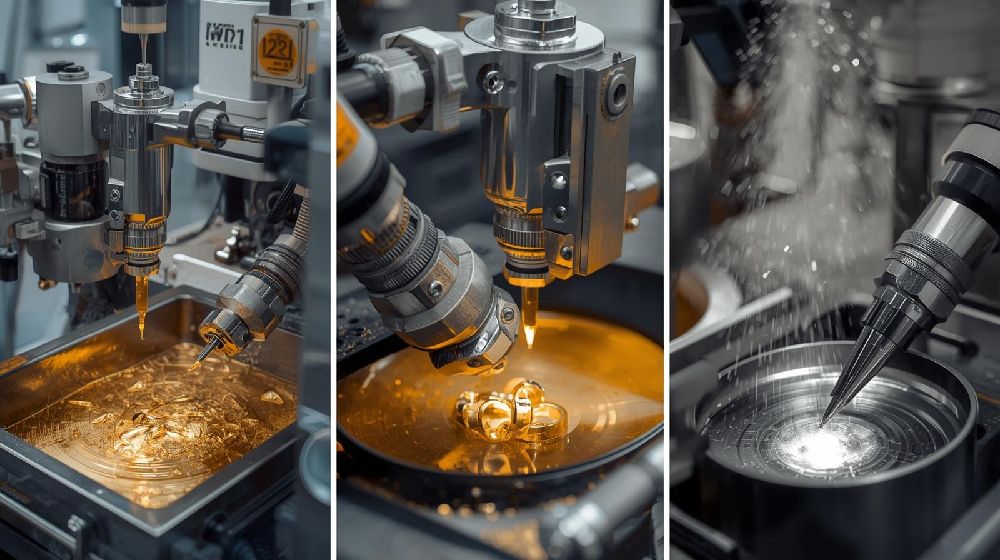
In the fast-evolving world of jewelry manufacturing, technology is no longer just an add-on—it is the backbone of precision, durability, and design excellence. Among all innovations, laser welding has emerged as one of the most transformative breakthroughs.