

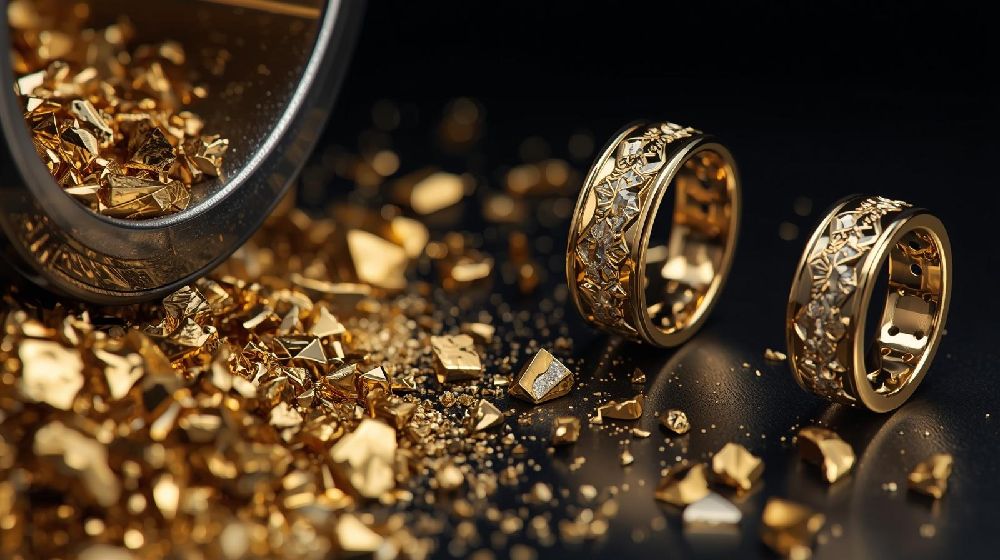
As sustainability becomes a defining force across industries, the jewelry sector is undergoing a meaningful transformation. One of the most impactful changes is the growing adoption of gold scrap recycling. Once considered a behind-the-scenes process, recycling gold scraps is now emerging as a core standard in smart, responsible jewelry production—benefiting the environment, manufacturers, and consumers alike.
What Are Gold Scraps in Jewelry Manufacturing?
Gold scraps are the leftover materials generated during jewelry production, including cuttings, filings, excess casting material, polishing dust, and unused fragments from CNC machining. Traditionally, these scraps could lead to material loss if not managed efficiently. Modern manufacturers now recognize this gold as a valuable resource rather than waste.
How Gold Scrap Recycling Works
Recycling gold scraps involves collecting, refining, and purifying leftover material to restore it to usable form. Advanced refining techniques separate gold from alloys and impurities, allowing it to be reintroduced into production without compromising purity or quality. This closed-loop approach ensures minimal loss and maximum efficiency.
Environmental Benefits
Mining new gold requires significant energy, water, and land use. By recycling existing gold scraps, manufacturers drastically reduce:
-
Environmental disruption
-
Carbon emissions
-
Water consumption
-
Mining dependency
Recycled gold carries the same physical and chemical properties as newly mined gold, making it a sustainable alternative without quality trade-offs.
Economic Efficiency for Manufacturers
Recycling gold scraps is not only environmentally responsible—it’s economically smart. Efficient recovery reduces raw material costs, stabilizes production expenses, and protects manufacturers from gold price volatility. These savings allow brands to invest more in design innovation, quality enhancement, and ethical practices.
Quality Without Compromise
A common misconception is that recycled gold is inferior. In reality, properly refined recycled gold meets the same purity standards as newly mined gold. Whether used in casting, CNC manufacturing, or handcrafted designs, recycled gold delivers identical performance, durability, and finish.
Supporting Ethical Jewelry Practices
Consumers increasingly seek transparency and responsibility. Using recycled gold supports ethical production by minimizing reliance on mining operations that may involve environmental or social concerns. Jewelry crafted with recycled gold allows brands to offer traceability and ethical reassurance to their customers.
Setting a New Industry Standard
Leading manufacturers are now integrating gold scrap recycling into their core operations, treating it as an essential part of quality control and sustainability strategy. As regulations, consumer expectations, and environmental awareness grow, recycling gold scraps is fast becoming not just a choice, but an industry expectation.
Conclusion
Recycling gold scraps represents a smarter, cleaner, and more responsible future for jewelry production. By transforming waste into value, manufacturers reduce environmental impact, improve efficiency, and maintain uncompromising quality. In the modern jewelry industry, sustainability and precision go hand in hand—and gold scrap recycling is setting the standard for what smart production truly means.