X
RSS

Blog

The Future of Jewelry Production: Where Craft Meets Cutting-Edge Technology


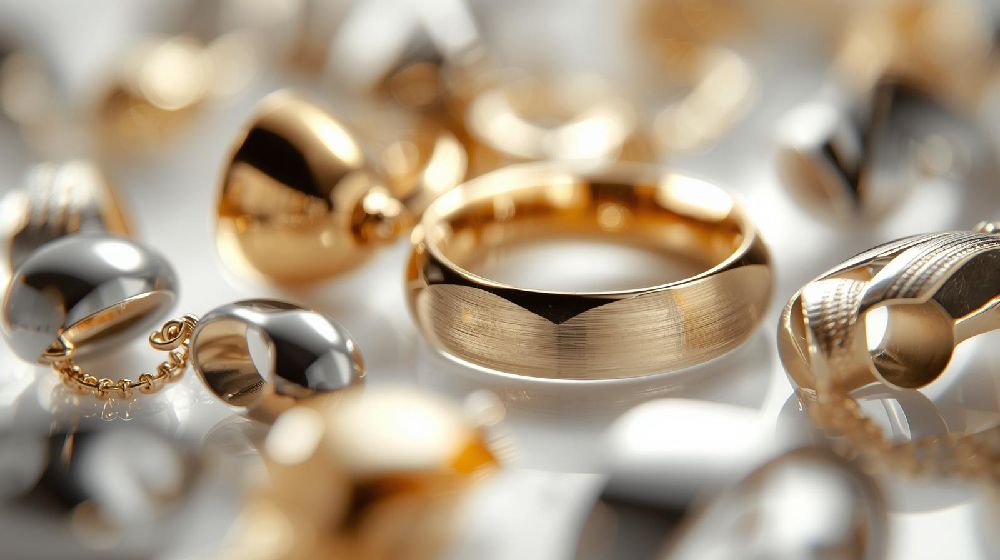
In the evolving world of jewelry, production is no longer confined to traditional craftsmanship alone. Today, the jewelry industry stands at the fascinating intersection of art and innovation — where heritage techniques blend seamlessly with modern technology to create masterpieces of precision and beauty.

1. The Shift from Handcraft to High-Tech

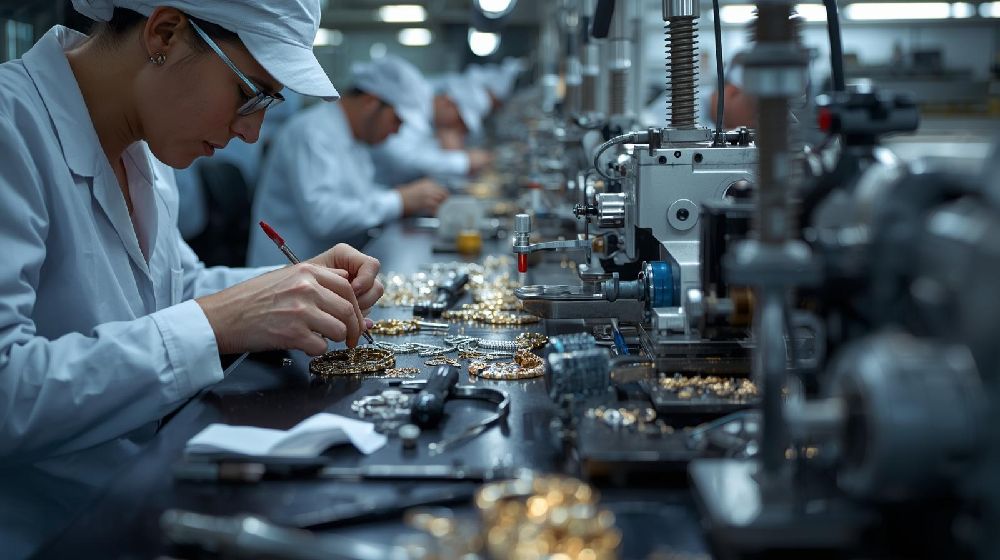
For centuries, jewelry was meticulously handmade, relying solely on the artisan’s skill and experience. While handcrafting remains at the heart of fine jewelry, modern production has embraced automation and technology.
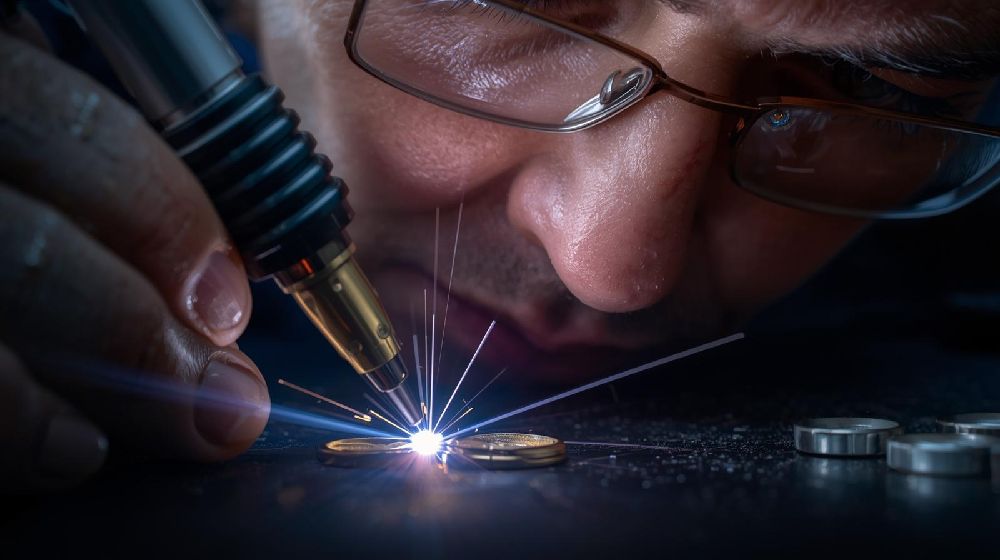
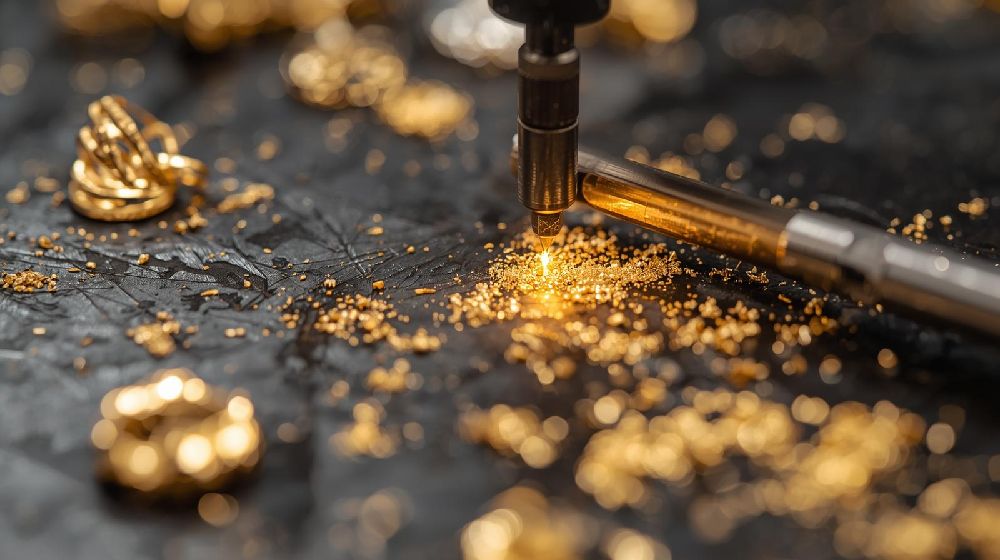
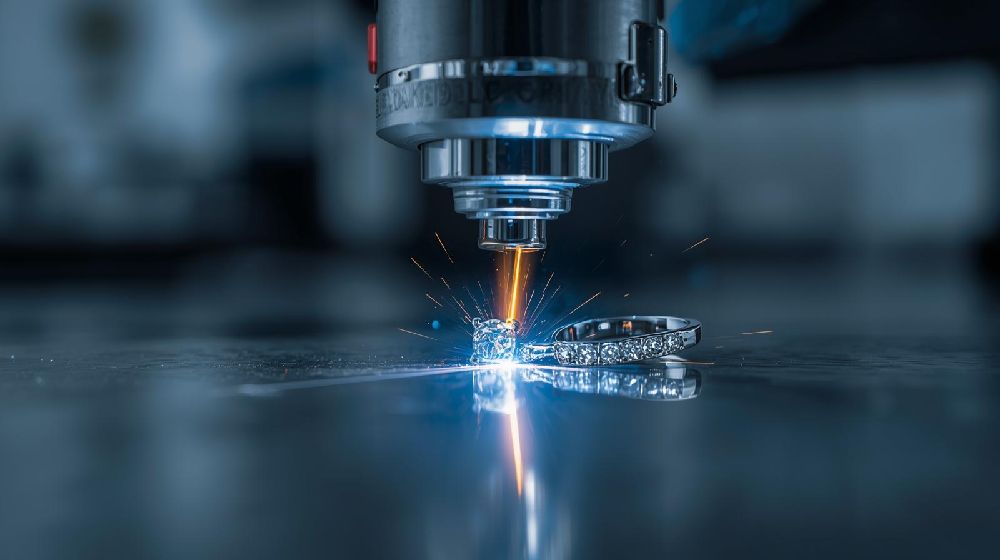
Today, CNC (Computer Numerical Control) machines carve gold and other metals with microscopic accuracy, ensuring perfect symmetry and design consistency. Laser welding further enhances durability, creating cleaner joins and smoother finishes that were once impossible by hand.

2. Sustainable Production Takes the Spotlight

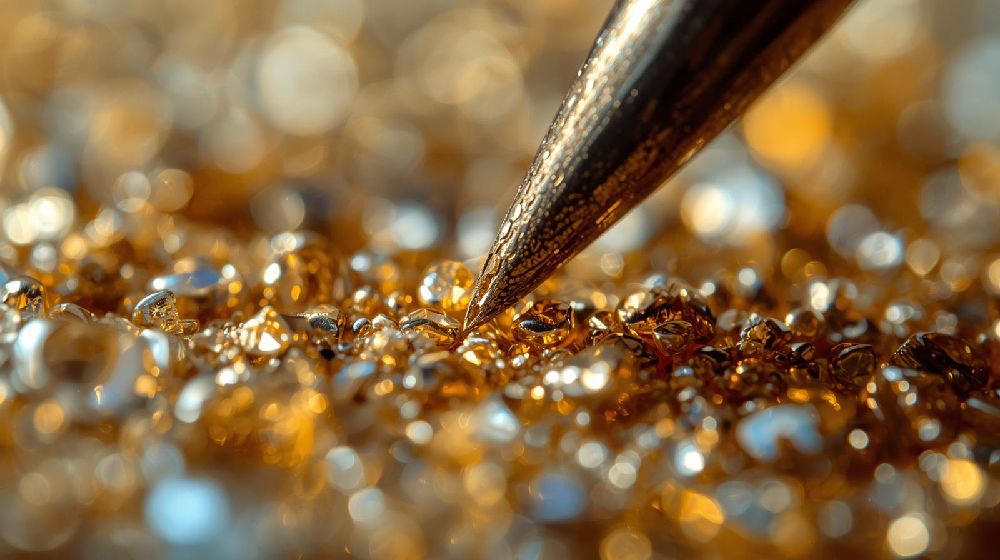
One of the most significant trends reshaping jewelry production is sustainability. Eco-conscious consumers are demanding ethical sourcing and low-impact manufacturing. Brands are now adopting recycled metals, lab-grown diamonds, and energy-efficient production processes to minimize waste.
Even polishing compounds and plating chemicals are becoming greener, allowing jewelry houses to achieve high shine without environmental harm.

3. Digital Design and 3D Printing Revolution

Digital design software has redefined creativity in jewelry production. Designers now visualize intricate pieces in 3D before a single gram of metal is used. 3D printing has emerged as a game-changer — enabling rapid prototyping, custom orders, and complex geometries that handcrafting cannot achieve.
This digital shift allows for personalized, on-demand jewelry, giving customers a voice in the creative process like never before.

4. The Rise of Fusion Craftsmanship

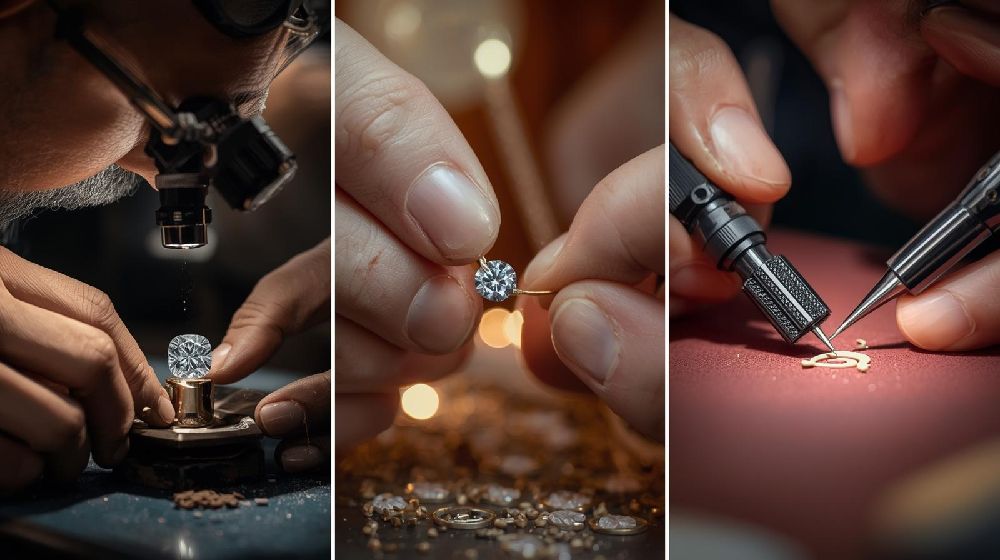
The most captivating trend of 2025 is fusion craftsmanship — the blending of traditional artistry with high-tech precision. Artisans collaborate with engineers to merge hand engraving, enameling, and stone setting with CNC and laser technologies. The result? Jewelry that carries the soul of handcraft with the strength and precision of machines.

5. Precision Meets Emotion

Despite the technological transformation, jewelry production remains deeply human at its core. Every design still begins with an emotion — love, celebration, or memory — that technology merely helps bring to life. The new era of jewelry production is not about replacing artisans but empowering them to achieve perfection faster and more sustainably.


Conclusion

The jewelry production landscape in 2025 is a brilliant blend of innovation, sustainability, and artistry. With CNC, laser welding, 3D printing, and eco-conscious practices shaping the future, the industry is crafting not just ornaments — but stories of progress, precision, and purpose.
The sparkle of tomorrow’s jewelry lies in this perfect harmony between human touch and technological brilliance.

“Beyond the Shine: Challenges and Innovations Shaping Modern Jewelry Production”


Behind every glittering jewel lies a story not just of beauty — but of precision, pressure, and perseverance.

Jewelry production is a world where artistry meets engineering, and creativity meets constraint. As consumer tastes evolve and technology advances, manufacturers face a fascinating dual challenge — to preserve traditional craftsmanship while embracing modern methods. The journey from raw metal to radiant masterpiece is no longer just about design — it’s about adapting to an ever-changing landscape of materials, machines, and market expectations.

  1. The Balancing Act: Tradition vs. Technology

The jewelry industry stands at the crossroads of heritage and innovation. Traditional handcrafting techniques carry cultural and emotional value, but modern consumers demand precision, speed, and perfection.
Manufacturers must balance the warmth of handmade artistry with the accuracy of CNC, 3D printing, and laser welding technologies. The challenge? Integrating automation without losing authenticity — ensuring that every piece still tells a human story, even when made by a machine.

  1. The Rising Cost of Materials

Gold and precious metal prices fluctuate daily, posing one of the biggest challenges for jewelry producers. Maintaining consistent pricing while ensuring profitability demands smart sourcing and inventory management.
Producers are now exploring alternative materials like gold-filled and gold-plated metals to balance affordability with luxury. However, maintaining durability and finish in such products requires advanced coating technologies and meticulous quality control.

  1. Crafting Precision in Miniature

Jewelry production is a test of micro-level accuracy. A single millimeter can change the symmetry of a design or affect its wearability. As designs become more intricate — featuring fine twists, 3D engravings, and multi-tone patterns — the need for high-precision machines and skilled artisans grows stronger.
The challenge lies in blending mechanical consistency with the human touch that gives jewelry its soul.

  1. Sustainability and Ethical Sourcing

Today’s customers are conscious buyers. They want to know where their jewelry comes from and how it’s made.
Producers are under increasing pressure to adopt eco-friendly practices, use recycled gold, and ensure ethical gemstone sourcing. While this shift promotes responsibility, it also introduces higher costs and stricter production standards — making it a challenging yet essential evolution in the industry.

  1. Labor Skill Gap and Training

As new technologies enter the industry, finding artisans who understand both traditional techniques and digital tools is becoming difficult. Manufacturers now invest heavily in training programs and upskilling workshops to help artisans adapt.
Building a team that can navigate both handcraft and high-tech is one of the most pressing challenges facing jewelry production today.

  1. Quality Control in Mass Production

Scaling production without compromising quality is another major hurdle. Each piece must pass stringent checks for polish, finish, and purity.
To overcome this, many producers are adopting AI-assisted inspection systems and automated measurement tools that detect micro-defects invisible to the human eye. This fusion of technology and craftsmanship ensures that every piece upholds the brand’s promise of perfection.

Conclusion – The Future is Forged in Fire and Innovation

The jewelry industry’s journey forward is one of resilience, creativity, and reinvention.
While challenges in production — from material costs to precision and sustainability — continue to shape the field, they also spark innovation. Manufacturers who embrace technology while honoring tradition will define the next golden age of jewelry.

Because true brilliance isn’t just in the sparkle — it’s in the struggle, the skill, and the spirit that bring every piece to life.

Sparkle of Tradition: Celebrating Diwali with Exquisite Jewelry


The Festival of Lights and the Shine of Gold

Crafting Light: How Jewelry Production Reflects the Spirit of Diwali


Affordable Elegance: Why BIS Approval of 9kt Gold is a Win for Millennials


Gold has always held a timeless place in Indian culture, symbolizing wealth, tradition, and emotional value. But as preferences evolve with modern lifestyles, there is a rising demand for gold jewelry that is both affordable and stylish. The recent BIS (Bureau of Indian Standards) approval of 9kt gold under mandatory hallmarking has created a major shift in the jewelry market, offering a fresh and accessible option for the millennial generation.

Are You Ready for 6kt? The New Era of Stylish and Accessible Gold Jewelry


Gold has always held a special place in jewelry, representing luxury, heritage, and timeless beauty. Traditionally, 22kt and 18kt gold have dominated the market, offering purity and shine but often at a price point and delicacy that makes them less suited for everyday wear. Today, a new chapter unfolds in the world of fine jewelry with the introduction of 6kt gold by DVN Jewelry—a bold, innovative step that redefines what modern customers can expect from gold.

🔧 The Rise of the Metal Master: Crafting Precision and Power in Modern Jewelry Design


SIJE 2025 Invites DVN Group as Special Delegates to Celebrate Its 20th Anniversary Edition


As the Singapore International Jewelry Expo (SIJE) marks its historic 20th anniversary edition this year, the organizers have extended a formal invitation to DVN Group to attend as special international delegates, recognizing their growing influence across luxury, innovation, and global investment sectors.

IEG Invites DVN Group to Represent India at SIJE 2025 – Celebrating 20 Years of Jewelry Excellence Organized by IEG

Indian Delegates at SJE 2025India – July 2025 – The Italian Exhibition Group (IEG), a global leader in organizing high-profile trade fairs and expos, has officially invited DVN Group from India to attend the Singapore International Jewelry Expo (SIJE) 2025 as part of an exclusive international delegation.

The Science of Metals: Understanding Ferrous vs. Non-Ferrous Materials

Introduction