

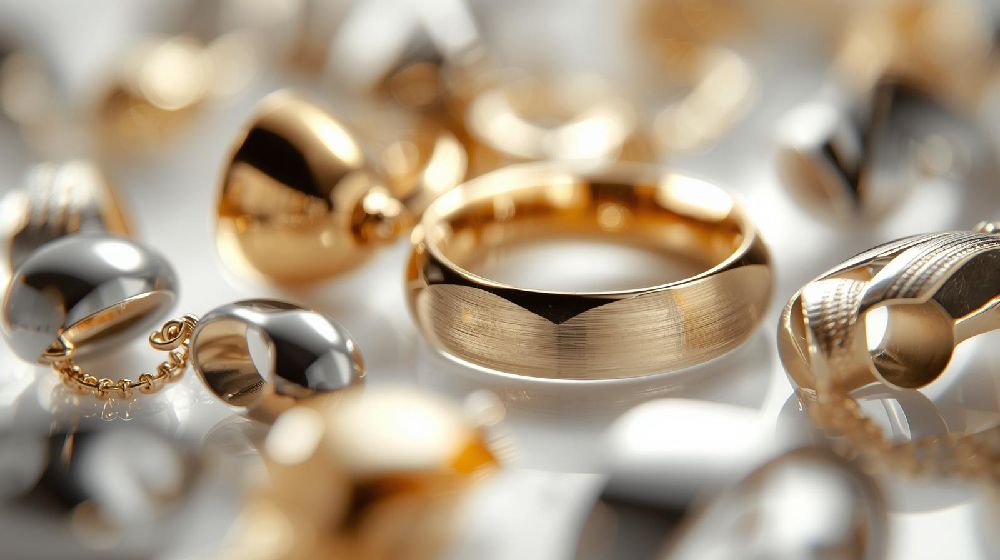
Polishing is one of the final and most essential stages of jewelry making. No matter how beautifully a piece is designed or how precisely it is crafted, its final look depends on the finish. Modern jewelry polishing techniques have evolved significantly—from high-shine mirror gloss finishes to subtle matte textures—allowing brands to create diverse looks for every style and preference.
In this blog, we’ll explore the different polishing methods used today, how they are achieved, and what makes each finish unique in modern jewelry.
1. Why Polishing Matters in Jewelry
Polishing is more than just making jewelry shine. It plays a major role in:
-
Enhancing the visual appeal
-
Improving wearability and comfort
-
Increasing the perceived value
-
Protecting metal surfaces from scratches
-
Highlighting design details like engravings and edges
Polishing transforms raw metal into a refined, luxurious piece ready for wear.
2. Mirror Gloss Finish: The Classic High-Shine Look
What Is Mirror Gloss?
The mirror gloss or high-polish finish is the most popular finishing technique. It creates a smooth, reflective surface that shines brightly, similar to a mirror.
How It’s Achieved
-
Multiple rounds of sanding and buffing
-
Use of high-speed polishing wheels
-
Application of polishing compounds such as rouge
-
Final buffing using soft cloth wheels
Where It’s Used
-
Engagement rings
-
Wedding bands
-
Gold bangles
-
Chains and pendants
-
High-end luxury pieces
Why It’s Popular
-
Gives jewelry a premium, luxurious appeal
-
Reflects light beautifully
-
Enhances gemstone brilliance
However, mirror gloss finishes can show scratches more easily, so they require a bit more care.
3. Matte Finish: Modern, Elegant, Understated
What Is a Matte Finish?
The matte finish gives jewelry a smooth, non-reflective appearance. It’s soft, contemporary, and often used for minimalistic designs.
How It’s Achieved
-
Fine abrasive papers
-
Sandblasting machines
-
Soft brushing tools
-
Surface texturing pads
Where It’s Used
-
Men's rings
-
Modern designer bangles
-
Minimalistic pendants
-
Trendy fashion jewelry
Why People Love It
-
Hides scratches better than high polish
-
Gives a clean, sophisticated look
-
Perfect for daily wear
4. Brushed Finish: A Texture That Tells a Story
What Is a Brushed Finish?
Brushed finish is a stylish matte variation where fine, straight lines are intentionally created on the metal surface.
How It’s Done
-
Bristle brushes or nylon wheels
-
Abrasive pads brushed in one direction
-
Steel brushes for deeper texture
-
Controlled hand movement for consistency
Popular In
-
Wedding bands
-
Designer men’s jewelry
-
Modern gold bangles
-
Luxury watches
Why It Stands Out
-
Adds a textural, handcrafted effect
-
Offers a premium contemporary appeal
-
Camouflages everyday wear and tear
The lines—horizontal, vertical, or circular—give each jewelry piece a unique identity.
5. Satin Finish: A Soft Blend of Matte + Gloss
About Satin Finish
A satin finish gives jewelry a soft sheen—not fully reflective like mirror polish but not fully matte either. It sits perfectly between the two.
How Jewelers Create It
-
Using extra-fine abrasive wheels
-
Light brushing
-
Satin finishing pads
-
Soft directional strokes
Where It’s Preferred
-
Statement rings
-
Designer bracelets
-
Modern gold earrings
-
Luxury silver jewelry
Why It’s Special
-
Smooth to touch
-
Elegant, balanced look
-
Works well with diamonds and gemstones
6. Hammered Finish: A Handcrafted Artistic Texture
Though not a “polish” in the traditional sense, the hammered finish is often used to create texture before the final polish.
How It’s Made
-
Small hammers strike the metal surface
-
Creates uneven but artistic dimples
-
Final polish or matte layer applied on top
Why It’s Trending
-
Boho and artisan aesthetic
-
Unique pattern—no two pieces look alike
-
Complements oxidized or matte finishes
7. Frosted, Scratch, and Sandblasted Finishes
Modern jewelry also features various texture-based finishes:
Frosted Finish
-
Achieved using diamond burs or sandblasting
-
Looks icy and crystalline
Scratch Finish
-
Thin lines scratched randomly to create texture
-
Used in artistic or rustic jewelry
Sandblasted Finish
-
Fine grains blasted onto the metal
-
Creates a velvety matte surface
8. Combination Finishes: The Latest Trend
Contemporary jewelry trends often mix two or more finishes for dramatic contrast.
Examples:
-
Mirror Gloss + Matte (most popular)
-
Brushed + Satin
-
Matte + Hammered
-
Glossy Edges with Matte Center
This dual-finish technique adds depth and enhances design features, especially in modern bangles, rings, and men’s jewelry.
9. The Role of Technology in Modern Polishing
Advanced machines are transforming polishing:
CNC Finishing
-
Precise surface smoothing
-
Consistent finish on every piece
Laser Texturing
-
Ultra-fine patterns and textures
-
Perfect for micro-details
Mass Finishing Machines
-
Use ceramic or steel media to polish multiple pieces
-
Ideal for large-scale production
These innovations ensure perfection in every piece—whether glossy, satin, brushed, or matte.
Conclusion
Polishing is the final touch that defines the character of jewelry. Whether it's the bright mirror gloss that captures attention or the subtle brushed finish that adds sophisticated charm, each polishing technique has its own beauty, purpose, and craftsmanship.
Modern jewelers combine traditional handwork with cutting-edge technology to create flawless surfaces and textures that elevate every design.