

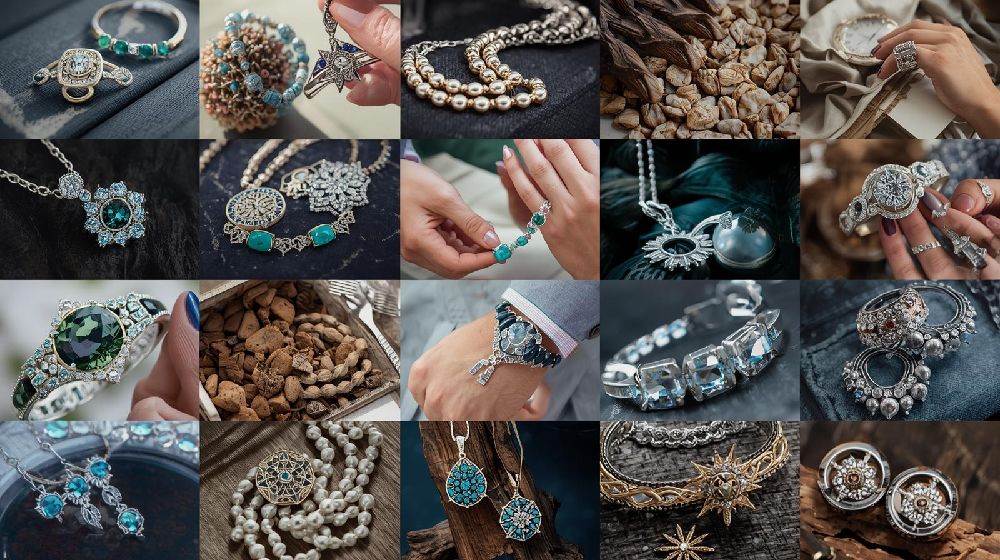
The global jewelry industry has evolved far beyond traditional craftsmanship and local preferences. Today’s international markets are shaped by rapid fashion cycles, technological innovation, ethical expectations, and quality consistency. For modern jewelry manufacturers, meeting global demand requires more than producing beautiful pieces—it demands precision, adaptability, and strategic vision.
Consistent Quality at Scale
One of the most critical demands of global markets is uniform quality across large production volumes. International retailers and brands require jewelry that looks, feels, and performs the same—whether one piece or ten thousand. This consistency builds trust, reduces returns, and strengthens long-term partnerships.
Modern manufacturers achieve this through advanced machinery, standardized processes, and strict quality control systems that ensure precision without compromising craftsmanship.
Design Innovation with Global Appeal
Global consumers seek designs that are modern yet timeless, appealing across cultures and regions. Manufacturers are expected to translate fashion trends into wearable, long-lasting jewelry while maintaining originality.
This means balancing:
-
Contemporary aesthetics
-
Cultural versatility
-
Practical wearability
-
Trend responsiveness
Manufacturers that can quickly adapt designs for different markets gain a competitive edge.
Advanced Manufacturing Technology
Global markets demand efficiency, precision, and speed. Technologies such as CNC machining, laser welding, and multi-axis systems enable manufacturers to create intricate details, lighter structures, and stronger finishes.
These technologies allow for:
-
Reduced material waste
-
Improved durability
-
High-detail consistency
-
Faster production cycles
Technology is no longer optional—it’s a requirement for global competitiveness.
Ethical and Responsible Production
Modern consumers are increasingly conscious of ethical sourcing and sustainable manufacturing. Global buyers expect transparency in materials, responsible labor practices, and environmentally aware processes.
Manufacturers that prioritize sustainability not only meet compliance standards but also enhance brand credibility and long-term trust in international markets.
Cost Efficiency Without Quality Compromise
Global markets are highly price-sensitive. Manufacturers are expected to optimize material usage, reduce waste, and streamline processes—without sacrificing quality.
Lightweight designs, alternative materials like gold-filled or sterling silver, and precision engineering help manufacturers deliver value-driven products that meet global pricing expectations.
Customization and Flexibility
International clients often demand customization, whether in sizing, finishing, branding, or design variations. Modern manufacturers must be flexible enough to handle private labels, regional preferences, and small-batch custom orders alongside mass production.
Agility is a defining factor in global manufacturing success.
Strong After-Sales Reliability
Beyond production, global markets value reliability, documentation, and support. Accurate certifications, timely deliveries, and responsive communication are essential for maintaining international relationships and scaling operations.
Conclusion
Global jewelry markets demand manufacturers who combine technology, design intelligence, ethical responsibility, and operational excellence. The future belongs to those who can deliver consistent quality at scale while staying agile, innovative, and consumer-focused. In today’s competitive landscape, modern jewelry manufacturing is not just about making jewelry—it’s about building trust across borders.