

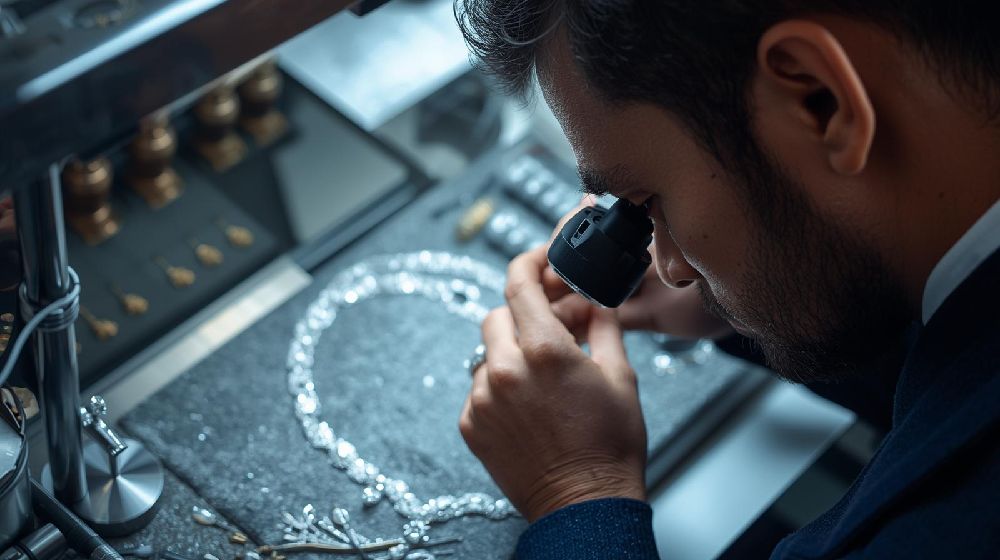
Luxury in jewelry is no longer defined by appearance alone. Today’s consumers expect pieces that are not only beautiful but also built to last. As a result, durability testing is emerging as a new benchmark in high-end jewelry—one that reflects quality, craftsmanship, and long-term value.
The Shift in Luxury Expectations
Modern luxury buyers are informed and intentional. They view jewelry as an investment rather than a seasonal accessory. Scratches, loose stones, or weakened clasps undermine trust in a brand, making durability a key component of perceived luxury.
Durability testing reassures customers that elegance is backed by engineering.
What Is Durability Testing in Jewelry?
Durability testing evaluates how jewelry performs under real-world conditions. These tests may include:
-
Wear and abrasion resistance
-
Clasp and hinge strength
-
Stone-setting security
-
Impact and pressure resistance
Such testing ensures jewelry can withstand daily use without compromising design or comfort.
Craftsmanship Meets Engineering
True luxury lies in precision. Durability testing validates the craftsmanship behind a piece—confirming that materials, alloys, and construction techniques meet high-performance standards. It highlights attention to detail that extends beyond surface aesthetics.
Luxury brands are now combining artistry with material science.
Rising Demand for Everyday Luxury
As fine jewelry becomes part of everyday style, durability matters more than ever. Rings, bracelets, and chains are worn continuously, requiring strength and resilience. Testing ensures that jewelry remains reliable while maintaining its original beauty.
Protecting Brand Reputation
For luxury brands, durability testing is a safeguard. It minimizes returns, repairs, and customer dissatisfaction while reinforcing brand credibility. A piece that performs well over time strengthens emotional loyalty and brand trust.
Sustainability and Responsible Luxury
Durable jewelry aligns with sustainable values. Pieces designed to last reduce waste, encourage long-term ownership, and support ethical consumption. Testing ensures that jewelry remains wearable across years—even generations.
Enhancing Long-Term Value
Durability directly affects resale, heirloom potential, and overall value retention. Jewelry that passes rigorous testing holds its structure, stone security, and finish, making it a true long-term investment.
Transparency as a New Luxury Signal
Luxury consumers increasingly appreciate transparency. Brands that openly discuss testing standards and quality controls position themselves as honest, premium, and responsible. Durability testing becomes part of the product story—not just the process.
Final Thoughts
Durability testing is redefining what luxury means in jewelry. Beyond beauty, it represents reliability, responsibility, and respect for the wearer’s investment. As craftsmanship meets innovation, durability becomes not just a technical requirement—but a symbol of modern luxury.