

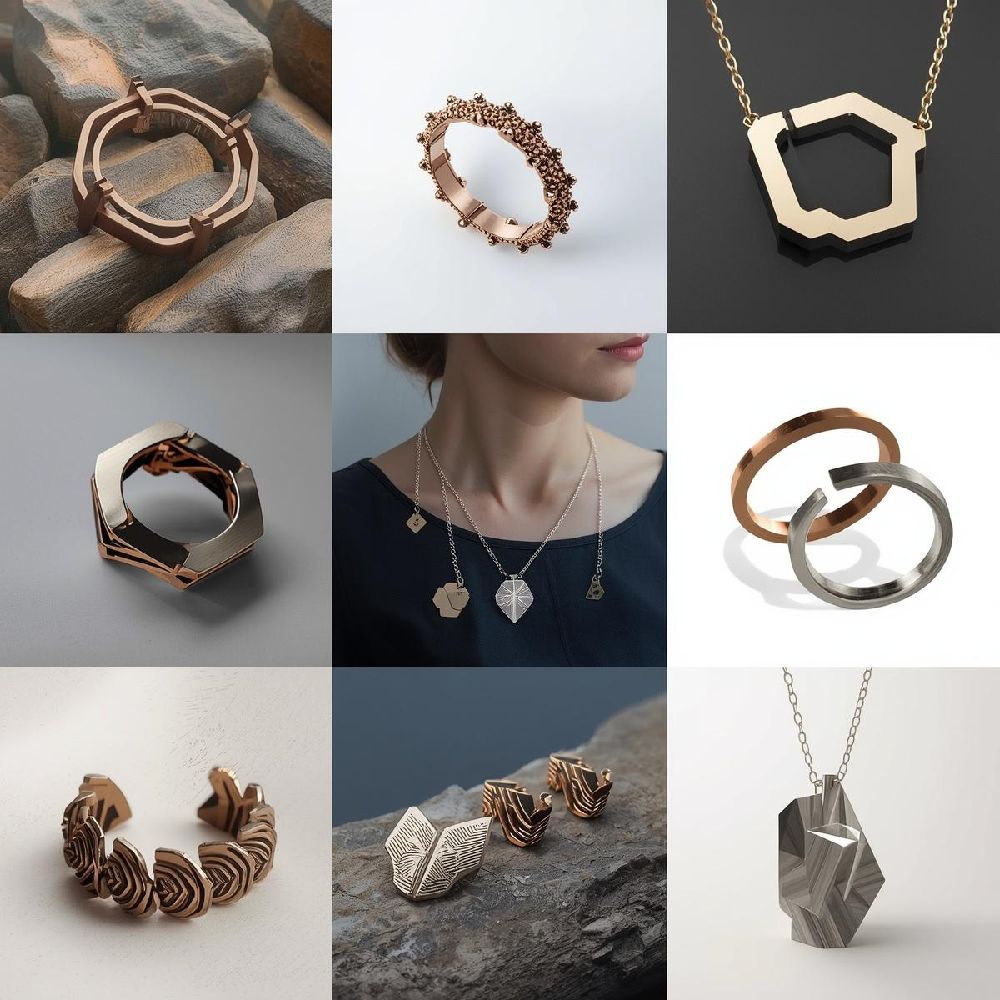
In the world of jewelry, creativity is often associated with limitless imagination. Yet, some of the most innovative designs emerge not from abundance, but from constraints. Today, production limitations—whether related to materials, technology, cost, or sustainability—are actively shaping and inspiring new jewelry design trends. Instead of restricting creativity, these boundaries are pushing designers toward smarter, more refined, and more meaningful creations.
When Limitations Become Creative Catalysts
Production constraints force designers to rethink traditional approaches. Restrictions on metal usage, weight, or complexity encourage minimalism, precision, and efficiency. As a result, jewelry designs are becoming more intentional, where every curve, surface, and detail serves a purpose.
Designers are now focusing on:
-
Clean, well-defined forms
-
Structural strength with minimal material
-
Thoughtful placement of decorative elements
Material Efficiency Driving Minimalist Aesthetics
Rising material costs and sustainability goals have encouraged designers to use metals more efficiently. This has led to lighter, slimmer jewelry with a modern appeal. Hollow structures, tapered profiles, and negative space designs create visual impact without excess material.
Minimalist jewelry is no longer just a style choice—it is a response to smarter production thinking.
Technology Shaping What’s Possible
Advanced manufacturing technologies like CNC machining, laser cutting, and 3D modeling have introduced new design possibilities while enforcing precision limits. Designs must now be optimized for machine production, leading to patterns that are clean, repeatable, and structurally sound.
This has given rise to trends such as:
-
Geometric and symmetrical patterns
-
Layered and modular jewelry designs
-
Precision-crafted textures and finishes
Durability as a Design Priority
Production constraints also highlight the importance of durability. Jewelry meant for daily wear must withstand movement and pressure without deformation. Designers now integrate strength into the design itself—using reinforced edges, balanced weight distribution, and secure joints.
As a result, modern jewelry blends beauty with longevity, creating pieces that remain elegant over time.
Faster Production, Smarter Design
Shorter production cycles and high-volume manufacturing require designs that are efficient to produce without compromising quality. This demand has inspired designs that are:
-
Easy to assemble
-
Consistent across batches
-
Adaptable to different sizes or variations
Such efficiency allows brands to innovate faster while maintaining high standards.
Sustainability Influencing Design Choices
Environmental responsibility has become a key production constraint. Designers are creating jewelry that minimizes waste, reduces energy consumption, and supports ethical sourcing. Recyclable metals, reduced excess material, and durable designs reflect a growing awareness of sustainability.
Sustainability is no longer hidden—it is becoming part of the jewelry’s identity.
Conclusion
Production constraints are no longer seen as obstacles in jewelry design—they are powerful sources of innovation. By working within defined limits, designers are creating jewelry that is lighter, stronger, more precise, and more meaningful. These constraints are shaping a new era of jewelry trends where creativity meets responsibility, and design is guided by both imagination and intelligent production.